
PRP Therapy: How Your Own Platelets Stimulate Natural Skin Healing
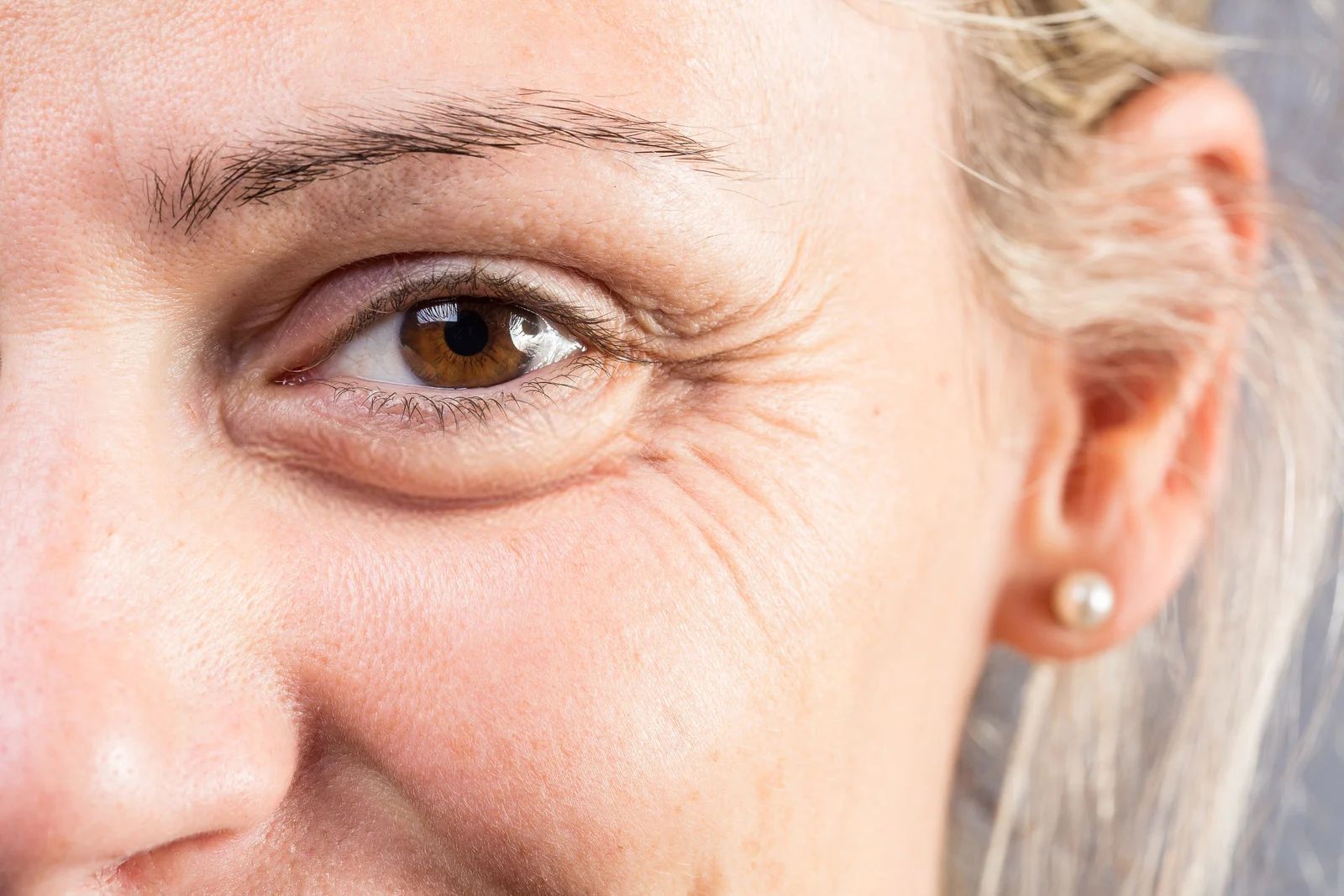
Healthy skin depends on the body’s ability to repair damage, replace aging cells, and maintain strong collagen support over time. As aesthetic medicine continues moving toward regenerative treatments, platelet-rich plasma therapy, commonly known as PRP therapy, has become one of the most discussed non-surgical options for skin rejuvenation. PRP therapy uses concentrated platelets taken from a patient’s own blood to support tissue repair, stimulate collagen production, and improve overall skin texture. Many people seek PRP treatments to address fine lines, acne scars, dullness, uneven tone, and early signs of aging without relying on invasive procedures or synthetic fillers. Interest in natural skin healing has also increased as patients search for treatments that work with the body instead of masking concerns temporarily.
Modern aesthetic practices now use PRP therapy in facial rejuvenation, microneedling procedures, and hair restoration treatments because platelets contain growth factors that support cellular renewal. Research and clinical experience continue to highlight the value of regenerative therapies within the skincare industry. Understanding how PRP works, what benefits patients may experience, and what realistic outcomes look like helps individuals make informed decisions before beginning treatment for long-term skin improvement.
Understanding How PRP Therapy Works
The Science Behind Platelet-Rich Plasma
PRP therapy begins with a simple blood draw performed during the appointment. After collecting a small sample, the blood is placed inside a centrifuge that separates platelet-rich plasma from other blood components. The concentrated plasma contains platelets and growth factors that help support tissue regeneration, wound healing, and collagen stimulation. Once prepared, the PRP is applied or injected into targeted treatment areas.
Growth factors play a major role in the healing process because they signal skin cells to repair damage and create healthier tissue. When PRP is combined with microneedling or strategic injections, the skin responds by increasing collagen and elastin production. Over time, patients may notice smoother texture, firmer skin, reduced scarring, and improved tone.
Why Platelets Matter in Skin Regeneration
Platelets naturally respond to injuries throughout the body. When skin damage occurs, platelets release proteins and growth factors that encourage healing. PRP therapy concentrates these healing properties and delivers them directly into areas needing repair.
This regenerative approach appeals to patients who want gradual, natural-looking improvements. Instead of changing facial structure, PRP therapy focuses on improving skin quality from within. Many professionals recommend PRP for patients experiencing mild to moderate signs of aging because the treatment supports the body’s existing repair process.
Common Treatment Areas
PRP therapy is frequently used on the face, neck, décolletage, and under-eye areas. Patients also use PRP for acne scars, sun damage, and uneven skin tone. In some cases, PRP supports healing after laser treatments or chemical peels because it encourages tissue recovery and reduces downtime.
Hair restoration remains another growing use for PRP therapy. Providers inject platelet-rich plasma into the scalp to support healthier hair follicles and improve hair density in thinning areas.
Key Benefits of PRP Therapy for Skin Health
Encouraging Natural Collagen Production
Collagen provides structure and firmness to the skin, yet collagen production declines with age. PRP therapy stimulates collagen renewal by encouraging fibroblast activity within the skin. This process may soften fine lines, improve elasticity, and create a smoother skin texture over several weeks.
Unlike temporary cosmetic solutions, collagen rebuilding develops gradually. Patients often appreciate the subtle progression because results appear more natural and balanced.
Improving Skin Texture and Tone
PRP therapy may help improve uneven texture caused by acne scars, enlarged pores, and environmental damage. Many patients notice brighter skin and a healthier complexion after a series of treatments. Combining PRP with microneedling often enhances results because microchannels allow growth factors to penetrate more deeply.
For example, a patient struggling with acne scarring after years of breakouts may see gradual improvement in skin smoothness after multiple PRP sessions. While severe scarring may require combination therapies, PRP often supports visible texture refinement.
Supporting Faster Recovery
Many aesthetic procedures create controlled skin injuries to trigger regeneration. PRP therapy can support faster recovery by reducing inflammation and encouraging tissue repair. Patients frequently use PRP after microneedling, fractional laser treatments, or chemical resurfacing procedures.
Reduced downtime appeals to individuals balancing busy schedules because recovery often becomes more manageable. Mild redness and swelling may still occur after treatment, but many patients resume normal activities within a short period.
Lower Risk of Allergic Reactions
Because PRP comes from the patient’s own blood, the risk of allergic reactions remains lower compared to certain injectable products or synthetic materials. This feature makes PRP attractive for individuals seeking treatments with fewer compatibility concerns.
However, safety still depends on proper preparation, sterile handling, and treatment performed by trained medical professionals. Patients should always choose qualified providers who understand facial anatomy, injection techniques, and regenerative medicine standards.
What Patients Should Expect During Treatment?
The Consultation Process
A successful PRP treatment begins with a detailed consultation. Providers evaluate skin concerns, review medical history, and determine whether PRP therapy aligns with patient goals. Open communication remains important because realistic expectations help patients feel confident about treatment decisions.
During consultations, providers often discuss skin conditions, previous cosmetic procedures, sun exposure, hydration habits, and lifestyle factors. Smoking, poor nutrition, and chronic stress may affect healing and influence treatment outcomes.
Step-By-Step Treatment Experience
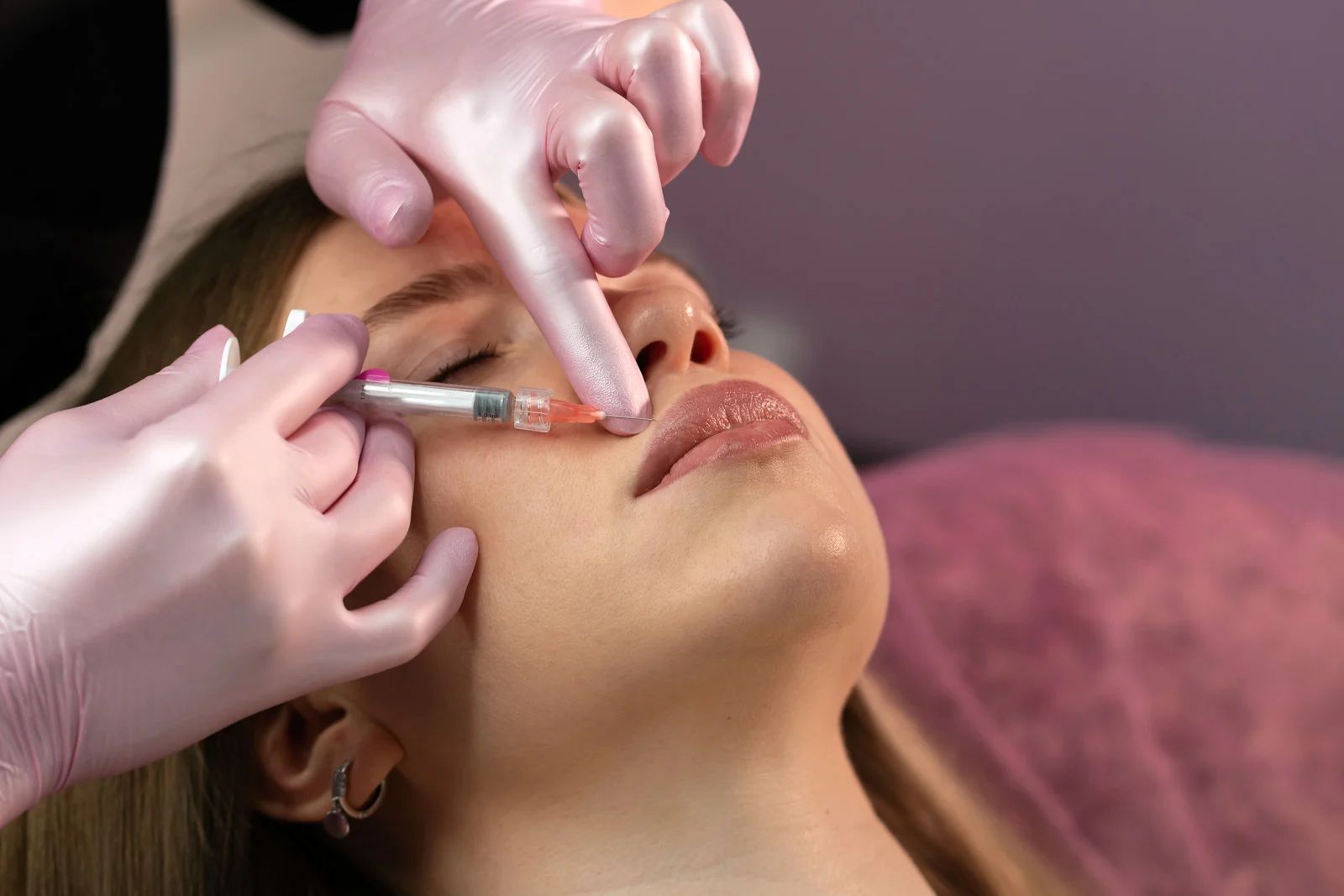
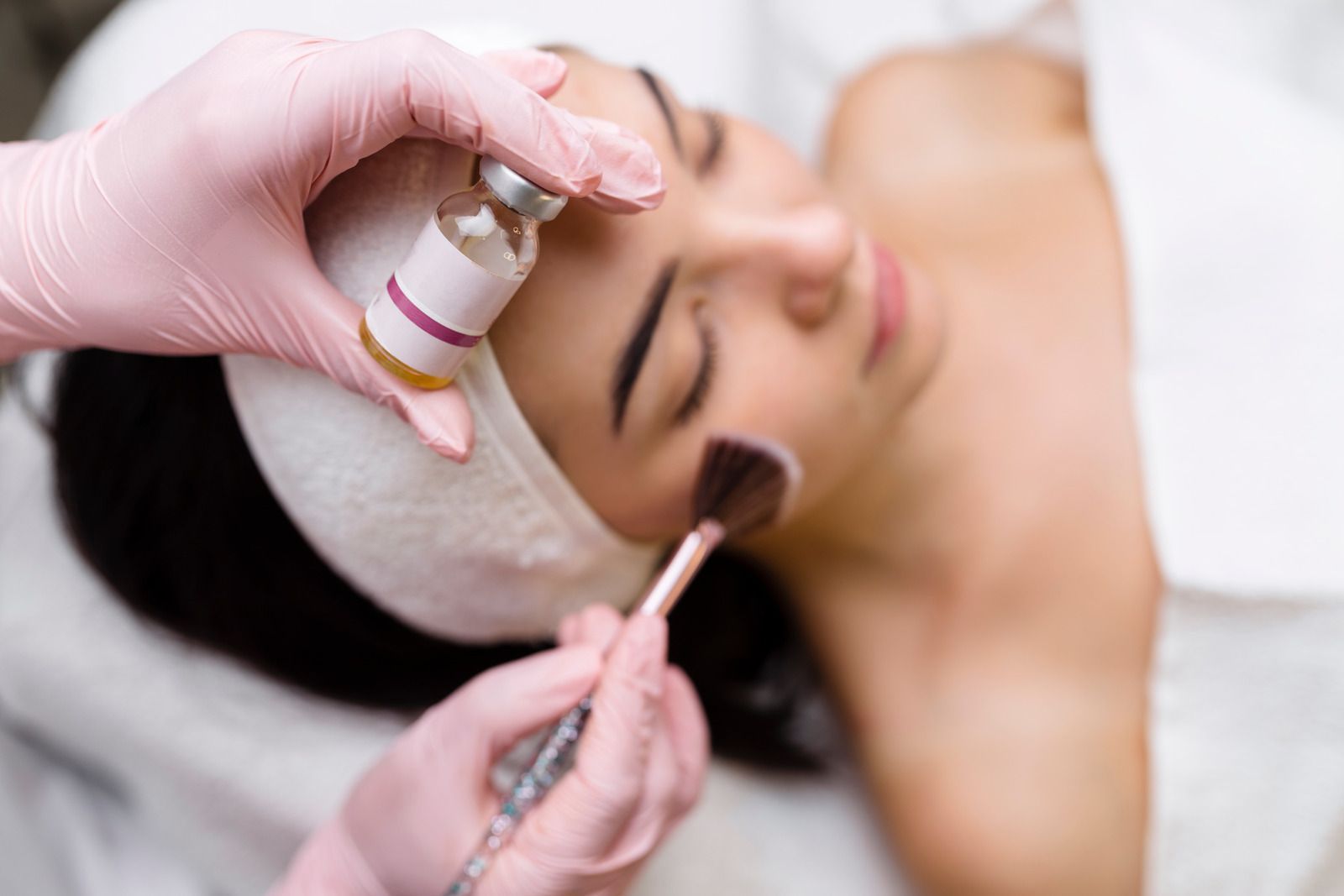
Most PRP appointments follow a straightforward process. After drawing blood and preparing the platelet-rich plasma, providers cleanse the skin and may apply a numbing cream for comfort. Depending on the treatment plan, PRP is injected into targeted areas or combined with microneedling.
Microneedling creates controlled micro-injuries in the skin using tiny needles. PRP is then applied over the treated surface, allowing growth factors to enter deeper layers. Patients often describe the sensation as mild pressure or light scratching.
A typical facial PRP session may take about one hour from start to finish. Mild redness, sensitivity, or swelling commonly appears afterward, particularly when microneedling is involved.
Recovery and Aftercare
Proper aftercare helps protect results and supports healthy healing. Providers often recommend avoiding direct sun exposure, harsh skincare products, excessive sweating, and makeup for a short period after treatment.
Hydration also supports recovery because healthy skin repair depends on adequate moisture and circulation. Patients should follow all post-treatment instructions carefully to reduce irritation and support optimal outcomes.
Results usually appear gradually rather than immediately. Some patients notice early improvements within several weeks, while collagen remodeling may continue developing for months.
Challenges, Limitations, and Best Practices
Understanding Realistic Expectations
Although PRP therapy offers many benefits, it does not create an overnight transformation. Patients with severe skin laxity or advanced volume loss may require additional treatments or different procedures to address deeper concerns.
PRP works best as part of a comprehensive skincare strategy. Healthy habits such as sun protection, hydration, quality sleep, and consistent skincare routines contribute to long-term improvement.
Patients expecting dramatic changes after one session may feel disappointed without proper education beforehand. Providers should explain that regenerative treatments rely on gradual biological processes.
Why Provider Experience Matters
Treatment quality depends heavily on provider skill and preparation methods. Platelet concentration levels, injection techniques, and treatment customization all influence results. Choosing inexperienced providers may increase the risk of bruising, uneven application, or unsatisfactory outcomes.
Experienced professionals evaluate skin condition carefully before recommending treatment plans. In some cases, combining PRP with other procedures such as radiofrequency microneedling, laser resurfacing, or medical-grade skincare products may produce stronger results.
Patient Suitability and Health Factors
Not everyone qualifies as an ideal candidate for PRP therapy. Certain blood disorders, active infections, clotting conditions, or severe medical concerns may affect eligibility. Patients taking blood-thinning medications should also discuss risks during consultations.
Lifestyle habits influence healing as well. Smoking, excessive alcohol consumption, and poor nutrition may interfere with collagen production and tissue repair.
Best Practices for Long-Term Results
Maintaining results requires consistency and healthy skincare habits. Many providers recommend a series of PRP treatments followed by maintenance sessions throughout the year.
Daily sunscreen use remains one of the most important steps because ultraviolet damage breaks down collagen and accelerates visible aging. Medical-grade skincare products, hydration, and regular follow-up appointments also support lasting improvements.
Patients who approach PRP therapy as part of an ongoing wellness and skincare routine often experience the most satisfying outcomes over time.
Advanced Regenerative Skincare From Trusted Local Professionals
PRP therapy continues to reshape modern aesthetic medicine by offering a regenerative approach to skin rejuvenation and healing. By using concentrated platelets from a patient’s own blood, PRP treatments support collagen production, tissue repair, and healthier skin function over time. Patients seeking non-surgical options often value the natural process behind PRP because results develop gradually while improving overall skin quality. From reducing acne scars and fine lines to supporting recovery after cosmetic procedures, PRP therapy provides versatile benefits across many treatment goals.
Simply Revived Aesthetics in County, WI, proudly provides advanced aesthetic services focused on natural skin rejuvenation and patient-centered care. With several years of experience in regenerative skincare treatments, we understand how personalized treatment plans contribute to healthier, smoother, and more confident-looking skin. Our approach prioritizes safety, education, and customized recommendations based on each patient’s individual concerns and long-term goals.
We use modern techniques and professional evaluation methods to help patients explore PRP therapy for concerns such as uneven texture, fine lines, acne scarring, and overall skin revitalization. Every consultation includes detailed guidance about treatment expectations, recovery timelines, and realistic outcomes so patients feel informed before beginning care. Whether patients seek preventative rejuvenation or support for visible skin concerns, we remain dedicated to helping individuals pursue long-term skin health with confidence and professional guidance.