
Botox vs Dysport: Which Wrinkle Relaxer Is Right for Your Face?
When it comes to maintaining a youthful, refreshed appearance, wrinkle relaxers have become a cornerstone of modern cosmetic treatments. Among the most popular options available today are Botox and Dysport, two injectable neuromodulators renowned for their ability to soften lines and wrinkles without compromising natural facial expressions. While both treatments share the common goal of reducing the visible signs of aging, subtle differences in formulation, onset, and longevity can influence which option is ideal for an individual’s unique facial anatomy and lifestyle. Understanding these nuances is essential for making an informed choice that aligns with your aesthetic goals.
Choosing the right wrinkle relaxer goes beyond brand recognition or marketing claims—it requires a careful assessment of one’s facial structure, the type and location of wrinkles, and personal expectations regarding results. Many first-time patients find themselves weighing factors such as how quickly results appear, how long they last, and potential side effects. In this article, we will explore the differences between Botox and Dysport, examine their respective benefits and limitations, and provide practical guidance on selecting the most suitable treatment for your needs. By the end, you will have a clearer understanding of how these treatments work and how to approach your facial rejuvenation journey confidently.
Understanding Botox and Dysport
What Is Botox?
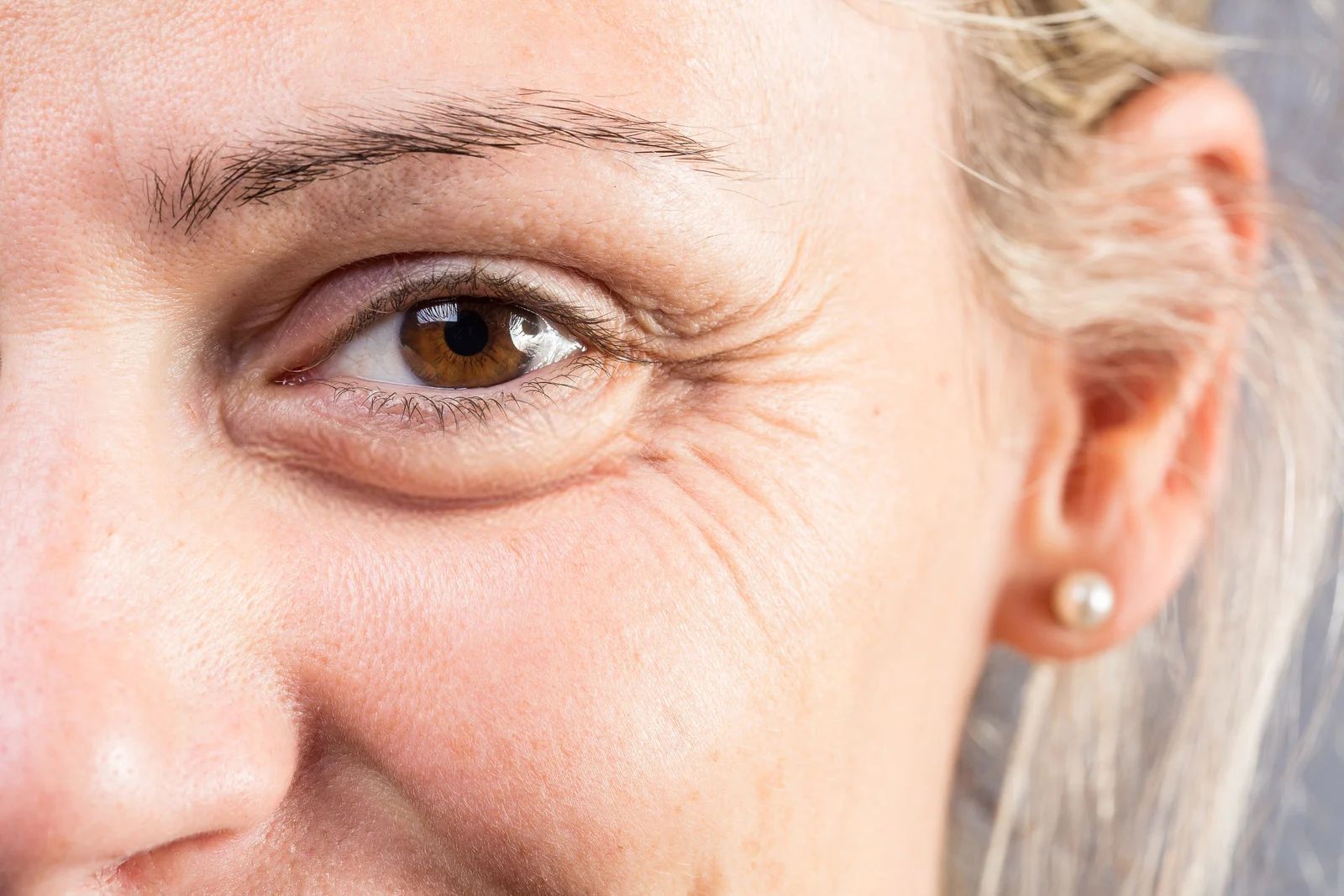
Botox, short for botulinum toxin type A, has been a staple in aesthetic medicine for decades. It works by temporarily blocking the nerve signals that cause muscles to contract. This action relaxes targeted facial muscles, smoothing dynamic wrinkles—lines formed by repeated expressions like frowning, squinting, or smiling. Botox is commonly used to treat areas such as the forehead, crow’s feet around the eyes, and glabellar lines between the eyebrows.
How Botox Works
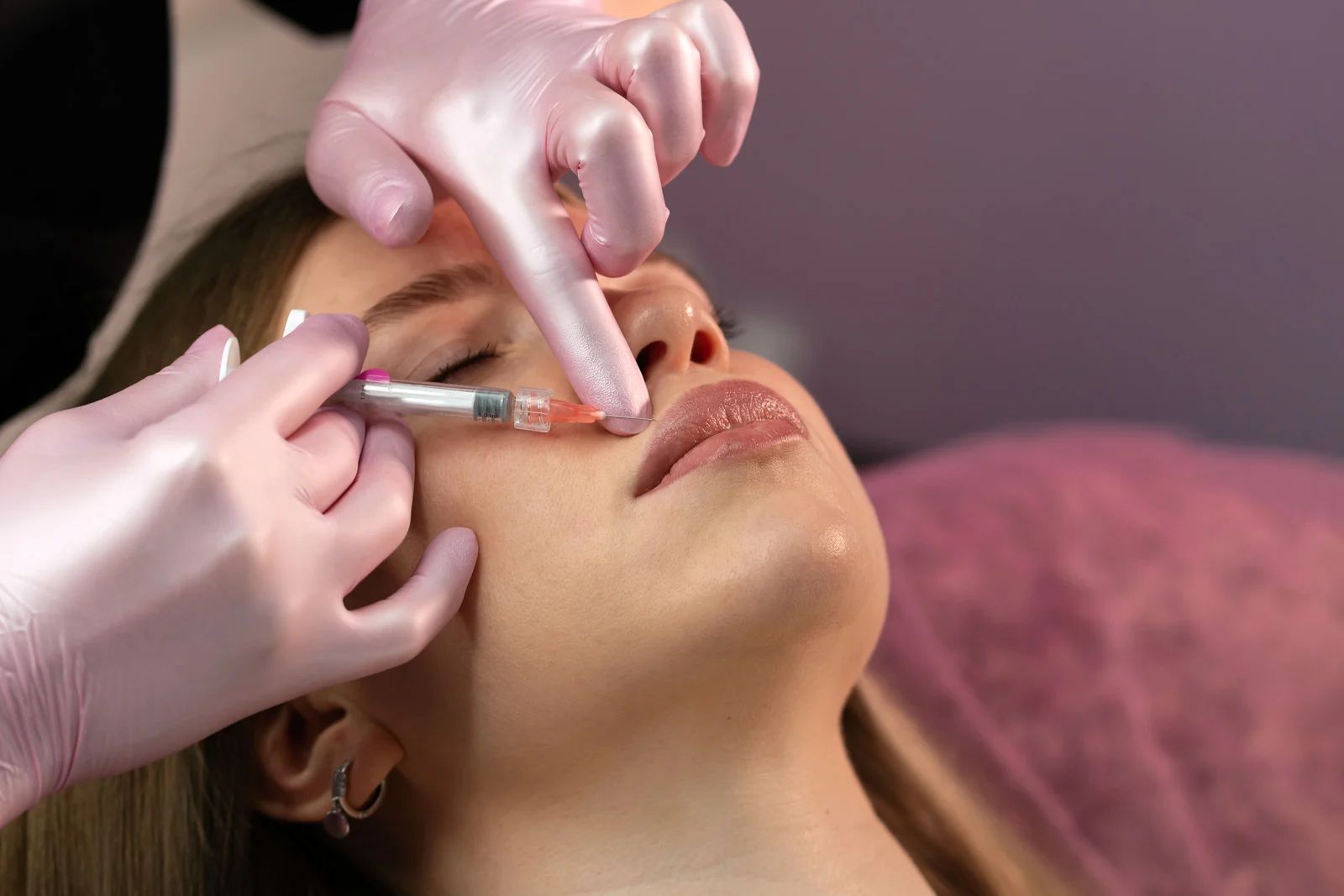
When injected in small, precise amounts, Botox prevents the overactive muscles from contracting excessively. This leads to a softer appearance without freezing your face completely. The results generally begin to show within 3 to 5 days and reach full effect around two weeks after treatment. Botox’s predictability, long-standing safety profile, and wide availability make it a go-to choice for both first-time patients and seasoned aesthetic enthusiasts.
What Is Dysport?
Dysport is also a botulinum toxin type A, similar in function to Botox, but with a slightly different molecular structure. These structural differences affect how the product spreads across the injected area, the speed at which it takes effect, and the dosing units required for optimal results. Like Botox, Dysport targets dynamic wrinkles by relaxing the underlying muscles, smoothing the skin, and reducing the appearance of fine lines.
How Dysport Works
Dysport tends to diffuse more widely than Botox, which can be advantageous for treating larger areas, such as the forehead, where a broader effect is desired. The onset of results is often quicker, with many patients noticing improvement within 2 to 3 days. Full results typically manifest within one week, and effects can last between three to four months depending on individual metabolism and treatment area.
Key Differences Between Botox and Dysport
Molecular Structure and Spread
One of the primary distinctions between Botox and Dysport lies in their molecular composition. Dysport contains smaller protein complexes, which allow it to diffuse more broadly into surrounding tissues. This can be an advantage for patients who want a natural, evenly distributed result over a larger area. Conversely, Botox has larger molecular complexes that provide more precise control for small, targeted areas like crow’s feet or the glabella.
Onset of Results
While both treatments are effective, Dysport may produce visible results slightly faster than Botox due to its diffusion properties. Many patients report noticeable improvement within 2 to 3 days of Dysport injections, whereas Botox generally requires 3 to 5 days. Understanding this difference can help individuals plan treatments for upcoming events or special occasions.
Longevity of Effects
Both Botox and Dysport typically last between three to six months, though individual results may vary. Botox has a reputation for slightly longer-lasting effects, which can mean fewer touch-ups over time. Dysport’s faster diffusion may sometimes necessitate more frequent sessions for sustained results, particularly in highly mobile facial areas.
Dosage and Unit Differences
Another practical difference is in dosing. Units of Botox and Dysport are not interchangeable, as Dysport requires a higher unit count to achieve comparable results. This is an important consideration for practitioners to ensure the correct dosage is administered for safety and effectiveness.
Side Effects and Safety
Both Botox and Dysport have excellent safety profiles when administered by a licensed professional. Common side effects include mild bruising, temporary redness, or slight swelling at the injection site. Rare complications, such as drooping eyelids or asymmetry, can occur if the treatment is improperly applied. Proper consultation and treatment by an experienced provider are crucial to minimize risks.
Benefits of Botox and Dysport
Natural-Looking Results
Both Botox and Dysport are designed to soften wrinkles without making the face appear “frozen.” When administered with precision, these treatments preserve natural facial expressions while smoothing lines, allowing patients to maintain their authentic look.
Preventive Aging
In addition to reducing existing wrinkles, these neuromodulators can help prevent deeper lines from forming. Regular treatments can reduce repetitive muscle contractions that contribute to permanent wrinkles, making them a valuable preventive tool in a comprehensive anti-aging strategy.
Minimal Downtime
One of the most appealing benefits of Botox and Dysport is the convenience. Treatments are quick, often completed within 15 to 30 minutes, and require little to no downtime. Patients can resume normal activities immediately, making these treatments ideal for busy lifestyles.
Versatility
Both products can treat a range of facial areas, including the forehead, frown lines, crow’s feet, and even subtle neck bands. Dysport’s broader diffusion can be particularly useful for covering large areas efficiently, while Botox’s precision makes it ideal for targeted refinements.
Boost in Confidence
Beyond aesthetic improvements, wrinkle relaxers often enhance self-confidence. Many patients report feeling more refreshed, youthful, and energized after treatment, which can positively impact personal and professional interactions.
Challenges and Considerations
Individual Responses
Not every patient responds identically to Botox or Dysport. Factors such as muscle strength, metabolism, and previous treatments can influence the onset, intensity, and duration of results. Some individuals may notice a more favorable outcome with one product over the other, underscoring the importance of personalized consultation.
Treatment Area Selection
Choosing the appropriate product may depend on the targeted area. Dysport’s broader diffusion makes it suitable for larger zones like the forehead, but may be less ideal for precise corrections in smaller areas. Botox, with its controlled spread, is better suited for fine-tuned adjustments, particularly around delicate areas like the eyes.
Potential Side Effects
Although generally safe, both treatments carry minor risks, including temporary bruising, swelling, or mild discomfort. Rare complications, such as ptosis (drooping eyelid), can occur if injections are improperly placed. Awareness of these potential outcomes is essential for making an informed decision.
Cost Considerations
Pricing may vary depending on product, dosage, and provider expertise. Dysport may require a higher unit count, which can influence the total cost. It is important to discuss treatment plans and pricing with a qualified professional to ensure alignment with expectations and budget.
Expert Best Practices for Choosing the Right Treatment
Consult a Licensed Provider
The first step in selecting a wrinkle relaxer is consulting with a licensed, experienced injector. A professional assessment will evaluate facial anatomy, muscle activity, and aesthetic goals to recommend the most suitable treatment.
Start with Conservative Dosing
For first-time patients, a conservative approach is often recommended. This allows for gradual adjustments and ensures that results remain natural and harmonious with the facial features.
Consider Lifestyle Factors
Individuals with active facial expressions or those seeking quick results for events may prefer Dysport due to its faster onset. Conversely, patients prioritizing precision in small areas may benefit more from Botox.
Schedule Follow-Up Appointments
Maintaining optimal results often requires regular touch-ups every three to six months. Scheduling follow-up appointments ensures continuity, allows adjustments as needed, and helps achieve long-term benefits.
Personalized Approach
Ultimately, the right wrinkle relaxer depends on personal goals, anatomy, and lifestyle. Both Botox and Dysport are effective and safe options, but individualized planning ensures the most satisfying outcomes.
Real-World Scenarios: Botox vs Dysport in Action
Scenario 1: Forehead Lines
A patient with pronounced horizontal forehead lines may benefit from Dysport due to its broader diffusion, allowing smoother coverage over a large area. Results are typically noticeable within 2 to 3 days, making it ideal for patients seeking quick improvement.
Scenario 2: Crow’s Feet
For delicate areas around the eyes, Botox’s precision allows targeted treatment, reducing the risk of unwanted spread and preserving natural movement. Subtle adjustments can create a refreshed look without impairing facial expressions.
Scenario 3: Event Planning
A patient preparing for a wedding or public appearance may prefer Dysport for faster onset, ensuring visible results align with the event timeline. Post-treatment, minimal downtime allows immediate resumption of daily activities.
Scenario 4: Preventive Care
Individuals in their late 20s or early 30s may use either Botox or Dysport as preventive care. Strategic treatments on commonly expressive areas can slow wrinkle formation over time, maintaining youthful skin with minimal intervention.
Expert Guidance for Safe, Natural Facial Rejuvenation
Understanding the differences between Botox and Dysport is key to achieving natural, flattering results. Both products effectively reduce dynamic wrinkles, enhance confidence, and offer minimal downtime, yet subtle distinctions in diffusion, onset, dosing, and ideal treatment areas can influence individual outcomes. Consulting with a qualified injector, considering personal goals, and evaluating lifestyle factors are essential steps to selecting the right option.
At Simply Revived Aesthetics
in County, WI, our team brings several
years of experience in aesthetic treatments, including Botox and Dysport. We pride ourselves on offering personalized consultations, precise injections, and guidance tailored to each patient’s unique facial anatomy and desired results. By combining industry expertise with a patient-focused approach, we ensure safe, effective, and natural-looking outcomes. Whether you are exploring your first
wrinkle relaxer
or maintaining long-term results, Simply Revived Aesthetics
is your trusted partner in achieving a youthful, refreshed appearance with confidence and care.