
Laser Skin Treatments: How Spectrum Technology Targets Sun Damage, Redness, and Acne
Laser skin treatments have transformed dermatology and aesthetic medicine, providing precise solutions for a variety of skin concerns. From sun damage and redness to persistent acne, advances in laser technology now allow for targeted interventions that address underlying issues while minimizing discomfort and downtime. Understanding how these treatments work and what conditions they can improve is essential for anyone seeking effective, long-lasting skin results. With rising awareness of skin health and appearance, laser procedures have become a mainstay for both preventative and corrective skincare. These treatments are no longer limited to clinical settings; modern lasers offer customizable protocols suitable for a wide range of skin types and ages. Patients can achieve meaningful improvements without invasive surgery, which has contributed to the growing popularity and accessibility of laser therapy.
Among the most significant advancements is spectrum laser technology, which utilizes multiple wavelengths to target specific skin layers and chromophores. Unlike traditional lasers that focus on a single concern, spectrum technology adapts to a range of issues, making treatments more efficient and customizable. By carefully calibrating wavelength, intensity, and pulse duration, lasers can reduce hyperpigmentation, diminish vascular redness, and promote clearer, healthier skin. This precision ensures that treatments not only produce visible results but also encourage natural skin rejuvenation. Spectrum technology also allows for faster sessions and reduced recovery time, improving patient comfort and satisfaction. As research and clinical experience continue to expand, understanding the mechanics, applications, and benefits of spectrum laser treatments becomes increasingly relevant for those pursuing optimal skin health and appearance, making informed decisions critical for achieving the best outcomes.
Understanding Spectrum Laser Technology
How Spectrum Lasers Work
Spectrum laser technology relies on the principle of selective photothermolysis, which allows light energy to target specific skin components without damaging surrounding tissue. Each wavelength corresponds to a particular chromophore in the skin, such as melanin, hemoglobin, or water, enabling precise interventions. For instance, shorter wavelengths are absorbed efficiently by melanin, making them effective for pigmented lesions caused by sun damage. Longer wavelengths penetrate deeper, targeting vascular structures and promoting collagen remodeling for redness and textural improvements.
Advantages Over Traditional Lasers
Traditional single-wavelength lasers often address only one type of skin concern, requiring multiple sessions or different devices for complex conditions. Spectrum lasers, by contrast, combine multiple wavelengths in a single treatment session, increasing efficiency and providing comprehensive results. This adaptability allows for simultaneous treatment of sunspots, broken capillaries, and acne scarring. Additionally, the adjustable settings enable practitioners to tailor intensity and pulse duration to individual skin types, reducing the risk of burns, hyperpigmentation, or prolonged downtime.
Clinical Considerations
Successful laser treatments depend on accurate assessment of skin type, tone, and the specific condition being treated. Spectrum lasers offer versatility across a wide range of skin types, but careful calibration is critical for darker skin tones to avoid unwanted pigmentation changes. Pre-treatment evaluation also includes reviewing medical history, current skincare routines, and sun exposure patterns to ensure optimal safety and efficacy.
Targeting Sun Damage
Identifying Sun Damage
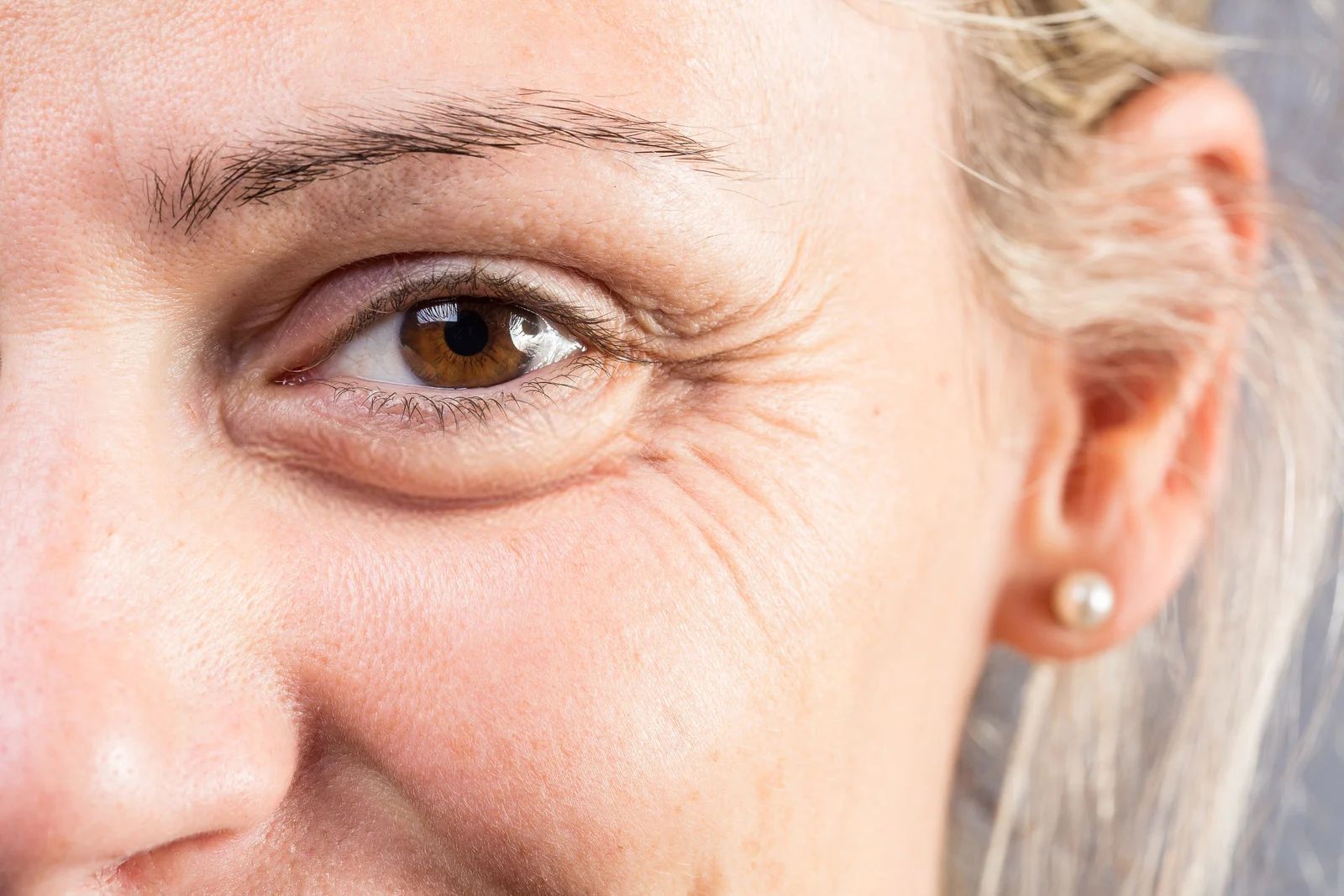
Sun exposure is the leading cause of premature skin aging, resulting in hyperpigmentation, age spots, and uneven tone. Ultraviolet (UV) radiation induces melanin overproduction, triggering visible discoloration. Chronic sun damage can also reduce skin elasticity, creating fine lines and rough texture. Early intervention with laser treatments can reverse some of these effects and prevent further progression.
Laser Intervention for Pigmentation
Spectrum lasers target melanin selectively, breaking down clusters of pigment into smaller particles that the body can naturally eliminate. Multiple wavelengths enable treatment of both superficial and deeper pigmentation, providing uniform results. Sessions typically involve minimal discomfort, with a cooling system applied to protect the skin surface. Gradual fading occurs over several weeks, allowing for natural skin regeneration without drastic downtime.
Long-Term Benefits
By addressing sun-induced pigmentation at its source, spectrum laser treatments promote more even skin tone, reduce the appearance of age spots, and stimulate collagen production for firmer, healthier skin. Patients often report enhanced confidence and satisfaction due to visible improvements in texture and clarity. Incorporating ongoing sun protection post-treatment further prolongs results and prevents recurrence.
Managing Redness and Vascular Conditions
Causes of Facial Redness
Persistent redness may result from broken capillaries, rosacea, or inflammatory responses. Unlike pigmentation issues, these concerns involve vascular structures, which require precise targeting to reduce appearance without compromising surrounding tissue. Spectrum lasers offer an effective solution by delivering energy absorbed specifically by hemoglobin in blood vessels.
Targeted Treatment Approach
Different wavelengths within spectrum technology penetrate to varying depths, allowing focused treatment of superficial and deeper vessels. Short pulses close off tiny capillaries, while longer pulses stimulate remodeling of underlying vascular structures. Over a series of sessions, redness diminishes, skin tone evens out, and flare-ups become less frequent.
Real-World Outcomes
Patients with mild rosacea or vascular spots often experience visible improvement within weeks, with reduced blotchiness and improved skin texture. Combining laser treatments with topical or systemic therapies, when necessary, enhances long-term efficacy. Proper post-treatment care, such as gentle cleansing and avoiding sun exposure, ensures healing and maximizes results.
Treating Acne and Acne Scarring
Acne Mechanisms Addressed by Lasers
Acne occurs when pores become clogged with excess oil, dead skin cells, and bacteria, leading to inflammation. Chronic acne may result in permanent scarring, including pitted or raised lesions. Spectrum laser technology targets multiple aspects of acne pathology: it destroys bacteria, reduces inflammation, and stimulates collagen remodeling to improve scar texture.
Laser Modalities for Acne
Different wavelengths are selected based on acne severity. Blue light targets Propionibacterium acnes, the bacteria responsible for inflammation, while infrared or red light penetrates deeper to reduce sebaceous gland activity and promote healing. Fractional laser treatments create microscopic channels in scar tissue, stimulating collagen and elastin production to smooth pitted scars.
Treatment Protocols and Best Practices
Acne laser therapy typically involves multiple sessions spaced weeks apart, allowing the skin to respond gradually. Pre-treatment preparation includes cleansing and avoiding retinoids or harsh exfoliants, while post-treatment care emphasizes hydration, sun protection, and gentle skincare. Combining laser therapy with topical or systemic acne management often achieves superior outcomes, particularly for moderate to severe cases.
Optimizing Results and Patient Experience
Customizing Treatments
One of the greatest advantages of spectrum laser technology is its adaptability. Adjusting wavelength, pulse duration, and energy allows personalized treatments for individual skin concerns. Assessment of skin type, sensitivity, and desired outcomes guides the selection of parameters to maximize efficacy while minimizing risk.
Managing Discomfort and Downtime
Modern lasers incorporate advanced cooling systems and precise energy delivery to reduce discomfort. While mild redness or swelling is common immediately post-treatment, most individuals resume normal activities within 24–48 hours. Ice packs, gentle cleansers, and hydrating serums enhance comfort and accelerate healing.
Combining Treatments for Comprehensive Skin Health
Laser therapy can be integrated with complementary procedures, including chemical peels, microneedling, and professional skincare routines, to further improve results. Such combinations address multiple layers of skin concern simultaneously, promoting long-term rejuvenation, improved texture, and a radiant complexion.
Monitoring Progress and Maintenance
Results from spectrum laser treatments are cumulative and often require maintenance sessions for sustained improvement. Tracking progress with clinical photographs, skin analysis, and patient feedback ensures adjustments in treatment intensity or frequency to optimize outcomes. Preventative measures, such as consistent sun protection and gentle skincare, prolong the benefits of laser therapy.
Overcoming Common Challenges
Skin Sensitivity and Reaction
Some individuals may experience temporary irritation, redness, or mild peeling. Selecting appropriate wavelengths and adjusting intensity based on skin type mitigates these effects. Patients with sensitive or reactive skin benefit from lower energy settings or staggered sessions to minimize discomfort.
Addressing Expectations
While laser treatments are highly effective, realistic expectations are critical. Multiple sessions may be necessary for significant improvement, and results vary based on individual skin condition, age, and lifestyle factors. Clear communication about expected outcomes, possible side effects, and recovery timelines ensures patient satisfaction.
Cost Considerations
Advanced spectrum laser treatments may involve higher upfront costs compared to traditional methods. However, the efficiency, reduced downtime, and ability to target multiple concerns in fewer sessions provide long-term value. Investing in experienced practitioners ensures both safety and optimal results.
Simply Revived Aesthetics: Precision Laser Treatments Guaranteed
Spectrum laser technology represents a major advancement in skin care, offering precise solutions for sun damage, redness, and acne. By targeting specific chromophores within the skin, these lasers provide measurable improvements in tone, texture, and overall skin health. Treatments are customizable, allowing safe and effective application across various skin types while minimizing downtime and discomfort. Integrating spectrum lasers into a comprehensive skincare strategy enhances results, promoting natural rejuvenation, improved appearance, and long-term confidence.
At Simply Revived Aesthetics, located in County, WI, we bring several
years of expertise in delivering
advanced laser treatments
tailored to individual needs. Our approach combines clinical precision, personalized assessment, and ongoing guidance to ensure each session maximizes results safely and effectively. Choosing Simply Revived Aestheticseans accessing proven technology, experienced professionals, and a commitment to lasting skin health. We prioritize patient education, comfort, and satisfaction, establishing trust and ensuring that every treatment contributes to radiant, rejuvenated skin.